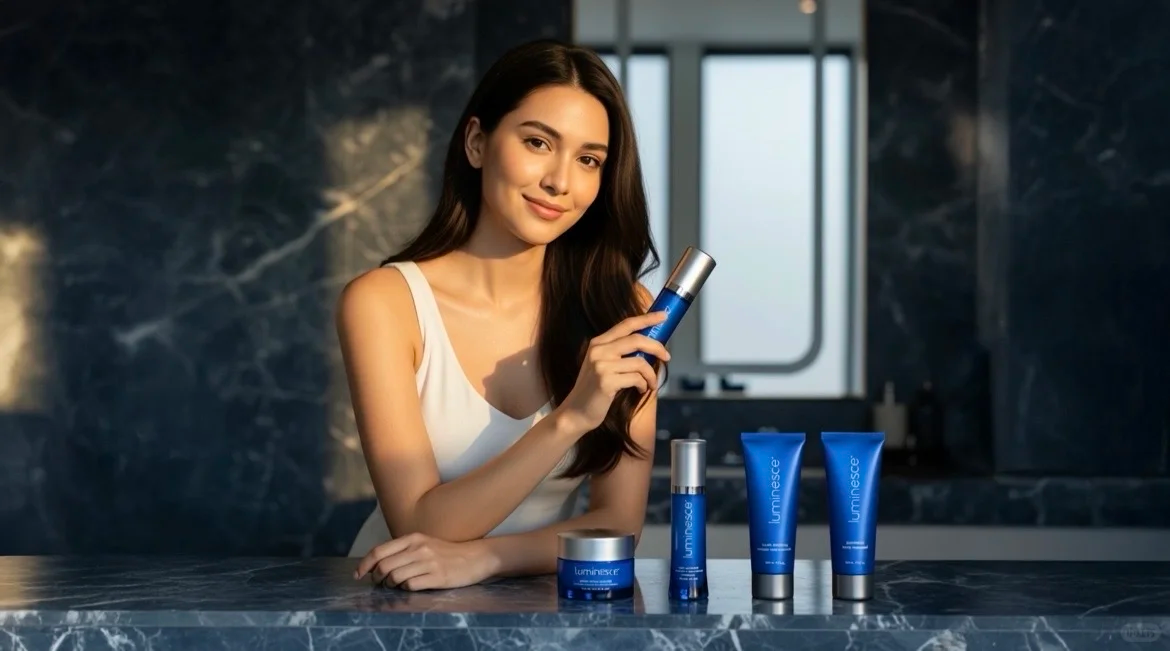
Luminesce, and what those percentages actually say
The line is sold as an anti-aging set. Promos often attach Dr. Nathan Newman and a short list of lab / user numbers:
- 100% would recommend after using it
- 87% said they looked younger
- 87% said brightness and smoothness improved
- 74% said firmness improved
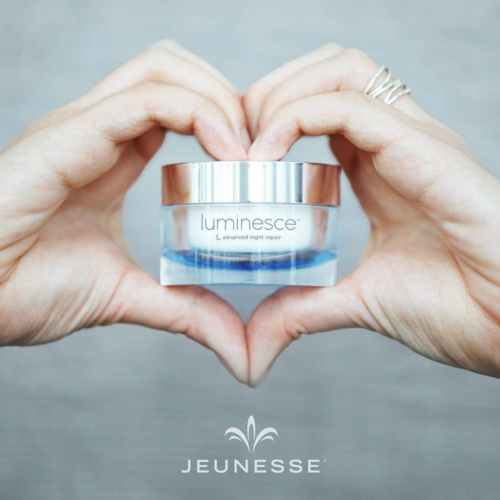
Treat these as how people answered a questionnaire, not as a measurement of collagen or wrinkles in millimeters. “Looked younger” is a feeling. Firmness taking the lowest score is the honest part of the slide — bounce takes longer than glow, if it shows up at all.
A bottle does not replace sunscreen, sleep, or a retinoid you already tolerate. If the face is dry and dull, a serum plus cream can make you look less tired in weeks. That is not the same as turning back a decade.
Who this pitch is aimed at
Someone who wants a set, not a single acid. Fine lines and a flatter look, not deep folds. If the barrier is already angry, start with a bland moisturizer first; “anti-aging” on inflamed skin just stings.
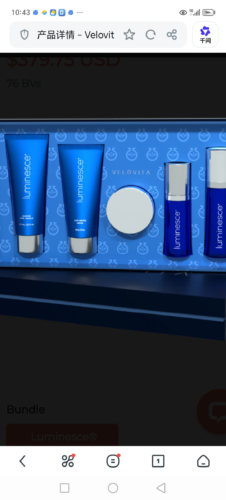
How to read the pitch
Independent-sounding labs still often test small groups, short windows, and self-scores. 100% recommend is a red flag for sample size or wording, not a miracle. Ask: how many people, how many weeks, compared with what.
If you still want to try a set
Use it as the treatment layer after water, before cream and SPF. Give it a month. Keep the rest of the stack boring. If nothing changes except your wallet, that’s data too.
Sunscreen is still the only step with a boring, repeatable anti-aging record. Everything else is extra.
